
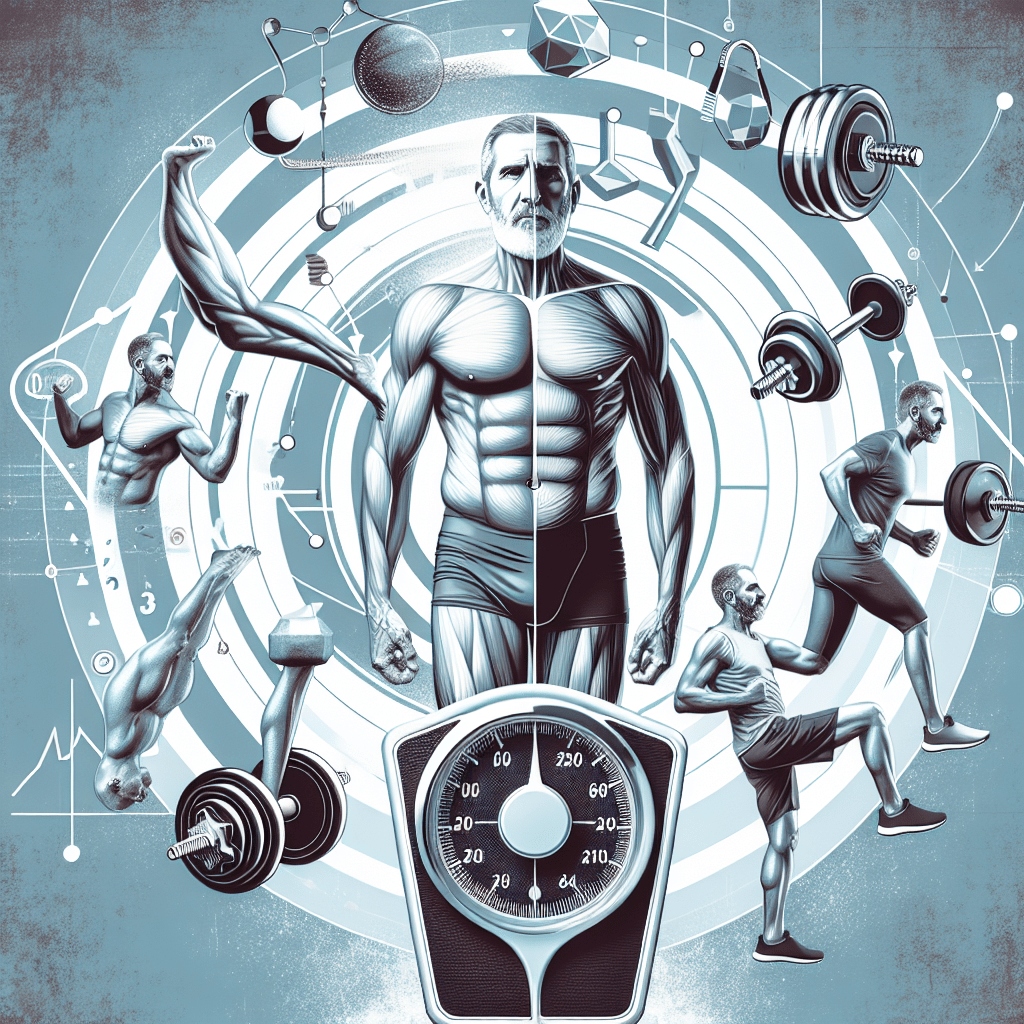
The Scales Don’t Lie: The Tale of Aging, Body Weight,…
Today, we’re going to chat about something spicy, something absolutely riveting that will get your neurons dancing with anticipation — no,…
Hello, my lovely health enthusiasts,
Today, we’re going to chat about something spicy, something absolutely riveting that will get your neurons dancing with anticipation — no, unfortunately, it’s not the latest episode of “Bakers Gone Rogue”. Instead, we’re going to discuss your bathroom scale. Hey, don’t roll your eyes — this is important stuff!
We all know that the relationship with our scale can be, um, complicated. One day, it’s our best friend, telling us that those squats and kale smoothies are paying off. The next, it’s the bearer of bad news, indicating that maybe (just maybe), we shouldn’t have indulged in that extra slice of pizza or that midnight ice cream.
But it’s time we stop playing the blame game. Your scale isn’t lying. The numbers it spits out are hard, cold truth. But here’s the twist: those numbers tell a much more intricate story about your body and aging process than just weight gain or loss.
A recent study found that intermittent fasting offers no greater weight loss than standard diets. So, if you’ve been depriving yourself of the joy of breakfast just to drop a few pounds, you might be barking up the wrong tree. And before you sprint in the other direction, remember, we’re in this together. Let’s unfold this mystery of body weight, muscle mass and aging, one fact at a time.
Research shows that as we age, we tend to lose muscle mass and gain fat—regardless of whether our overall weight changes. This is due to a decrease in our metabolic rate and changes in our hormone levels. It’s like your body decides to throw a “let’s slow things down” party without inviting you. But don’t fret, with the right blend of balanced nutrition and regular exercise, you can gate-crash this party, at least a little bit.
Now, you might ask, why does this muscle mass matter so much? It’s simple. More muscle mass equals a higher metabolic rate and keeps the body fat percentage in check even as we age. It’s a bit like having a personal bodyguard against the aging process. Not a bad deal, eh?
So, next time you step on your scale, remember: it’s not just about the number of your weight. It’s about the composition of that weight—fat versus muscle.
And here’s the best part — you’re not alone in this journey. We at SimpleFitness.ai are here to be your trusty sidekick. Our platform helps you to track your sleep, nutrition, and workouts, and develop healthy habits tailored just for you. No hard selling here, we’re just a friendly companion, like a Labrador Retriever, but with less hair.
You see, achieving your health goals—whether it’s weight loss, better sleep, reducing stress, or more consistent exercise—doesn’t have to be a Herculean task. Small, manageable habits can lead to significant, sustainable changes. You just need to remember these three simple words: consistency, balance, and patience.
The truth is, you are more than the number on the scale. You are a dynamic, continually evolving masterpiece of nature. So, treat yourself as such — with kindness, respect, and a healthy dose of humor (because let’s be honest, we all have our pizza and ice cream moments).
Remember, every day is a new opportunity to make healthier choices — to nourish your body and mind, to move a bit more, to sleep a bit better.
So, my dear friends, let’s make a pact today. Let’s not fear the scale anymore. Instead, let’s use it as a tool to understand our body better as we age. Let’s embrace the journey to a healthier, happier you, one day at a time.
To start (or continue) your journey, check out simplefitness.ai. We can’t wait to be part of your story. Here’s to a healthier, happier, muscle-full you!
Until next time, stay strong, stay happy, stay you!

 My Easy to Follow Longevity Lifehacks
Leave a comment