
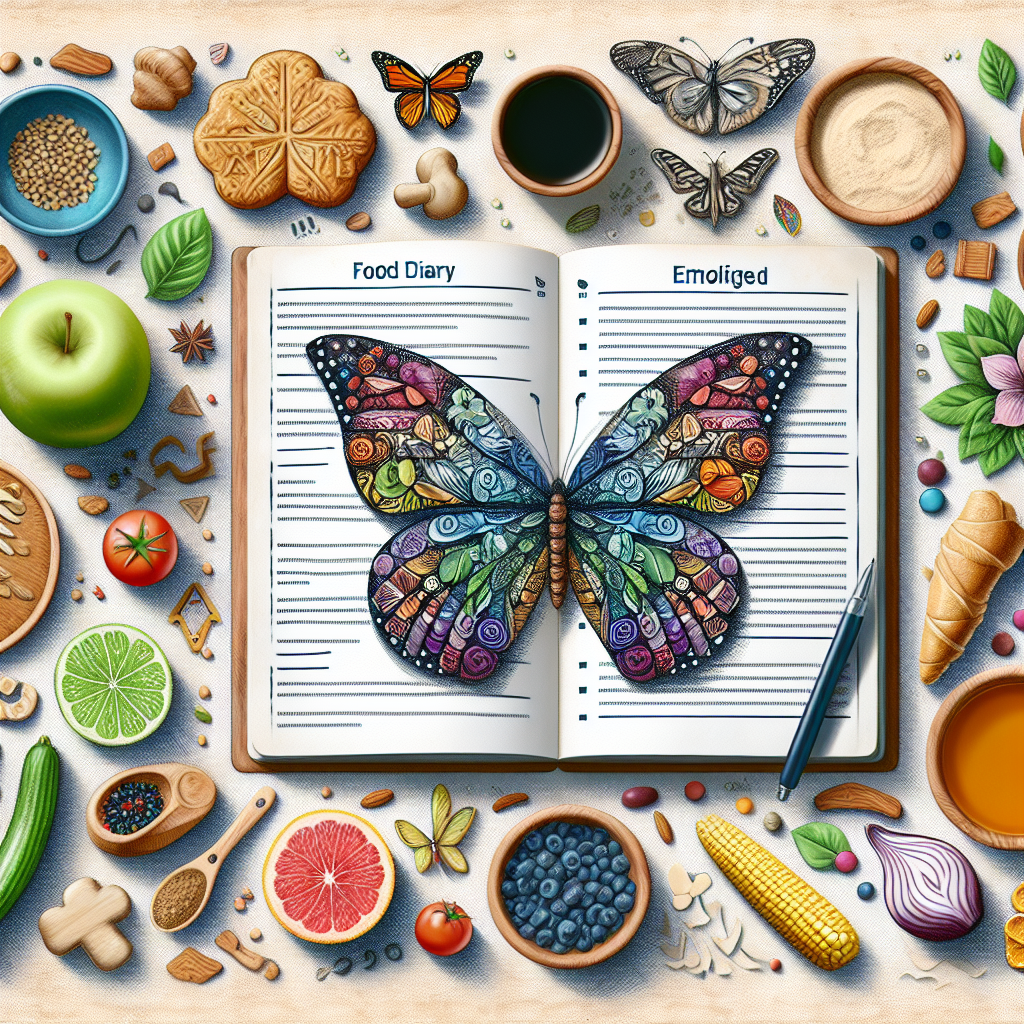
Navigating Nutritional Nostromo: Food Logging, Emotional…
You know, for years, I thought I was the only one who grabbed a tub of ice cream after a particularly bad day or reached for a family-sized bag of…
Hello, dear reader,
You know, for years, I thought I was the only one who grabbed a tub of ice cream after a particularly bad day or reached for a family-sized bag of chips while binge-watching my favorite show. Then, I discovered the intriguing world of emotional eating patterns, and realized that we all have our own food language intricately tied to our emotions. Don’t you agree?
Picture this: It’s been a day. You’ve been running the gauntlet of deadlines, traffic, last-minute errands, and maybe, just maybe, avoiding that one annoying neighbor. When you finally get home, you collapse on the couch, and without even thinking, you head to the fridge. Before you know it, you’re three cheers deep into a bag of cookies. Sound familiar? Of course, it does. And let’s be real – who hasn’t occasionally confused emotional hunger with physical hunger?
But here’s the fascinating part – a study conducted by the American Psychological Association found that 38% of adults say they have overeaten or eaten unhealthy foods in the past month because of stress, and half of these adults report engaging in these behaviors weekly or more. Intriguing, right?
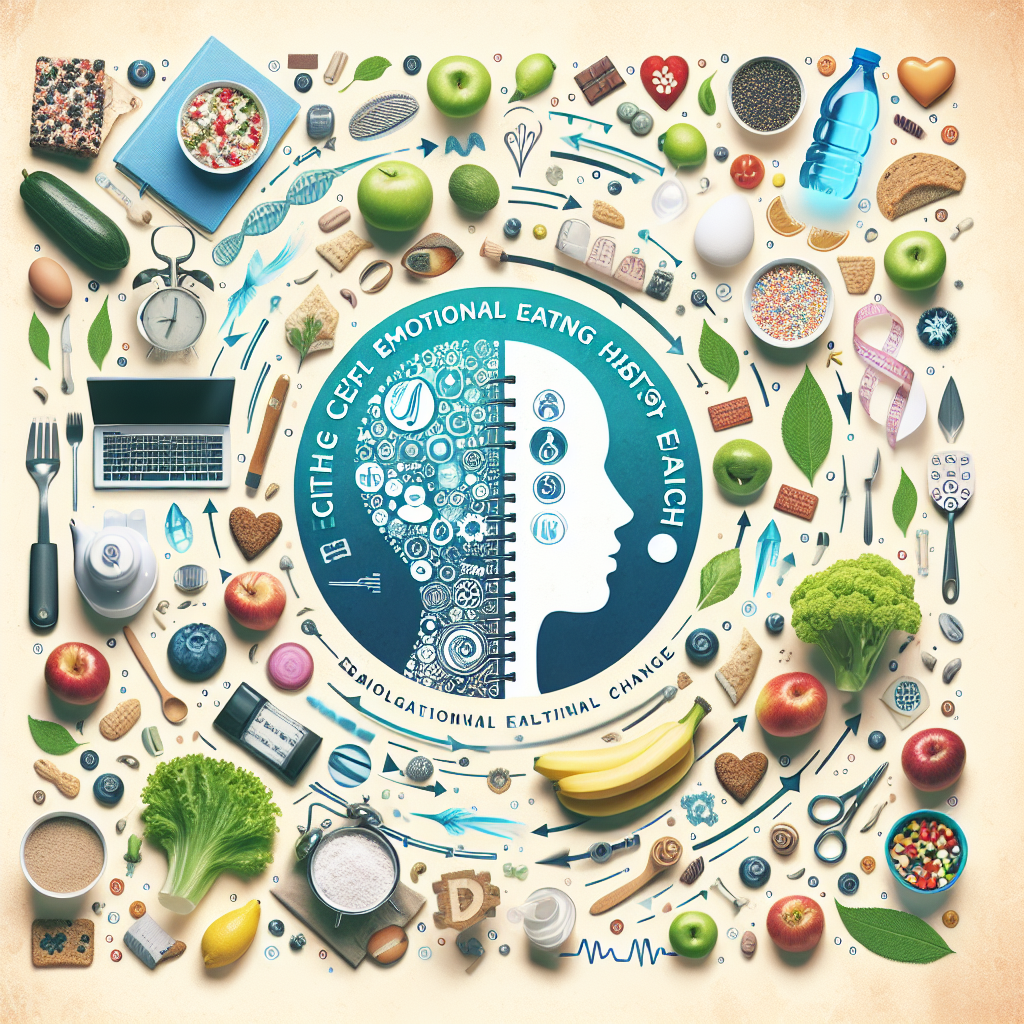
Now, imagine if there was a way to not just understand this, but also keep track of it – to really see the patterns that emerge between our emotions, our cravings, and our nutritional choices. You, my friend, are in luck because I just might have something that could make this a reality. It’s called food logging, and it’s like having a “black box” for your foodie flights of fancy.
But before you start thinking, “Ugh, yet another thing I need to do on top of everything else,” let me reassure you, it is not as tedious as it sounds. Especially if you have the right tool for it. Enter my new favorite companion, SimpleFitness.ai.
You see, SimpleFitness.ai is not just a health tracker, it’s like that best friend who genuinely cares about your well-being, nudges you to make healthier choices, but doesn’t judge when you decide to have a cheat day (or two). It’s the only cheerleader you’ll ever need to track your nutritional intake, sleep, workouts, and build some robust habits. All without making you feel like you’ve signed up for an uphill battle.
Consider this – the World Health Organization (WHO) recently held a Global Summit, boldly charting a future for traditional medicine. Their focus? Emphasizing the integration of traditional health practices and modern science to develop personalized health solutions. Now, doesn’t that get your neurons firing?
Knowing what we eat, when we eat, and why we eat it, gives us power over our choices and ultimately, our health and well-being. And that’s what SimpleFitness.ai does; it helps you understand your emotional eating patterns by logging your food habits, making the invisible, visible. It’s like having a nutritionist, personal trainer, and therapist all conveniently in your pocket, available 24/7.
So, if you’re craving change in your life and want to understand your food habits better, why not give food logging a try? SimpleFitness.ai might just be the tool you need to navigate your Nutritional Nostromo. Why not take control of the steering wheel and rewrite your food journey?
Remember, every bite you take is a step towards the future you want. Let’s make them count! So, go on, check out SimpleFitness.ai and take that first step towards understanding yourself better, one food log at a time. Because when we understand our past, we can shape our future.
Here’s to a healthier, happier you! Cheers!


 My Easy to Follow Longevity Lifehacks
Leave a comment