

Playing Time-Turner With Your Biology: A…
Hello, my fitness-loving friend! I know what you’re thinking. “Biological age? I’ve barely accepted my real age!” Trust me, I’m on the same boat with…
Hello, my fitness-loving friend! I know what you’re thinking. “Biological age? I’ve barely accepted my real age!” Trust me, I’m on the same boat with you. But stick around, because today we’re going to talk about how to reverse-engineer your biological age using a brilliant tool—SimpleFitness.ai.
Before you start wondering if I’ve been watching too much science fiction, let me assure you— this isn’t about concocting some magical potion or climbing into a time machine. The concept of the biological age is rooted in real, hard science.
Intriguing, right? I thought so too, especially because it was inspired by the EU’s renewed support for WHO’s Universal Health Coverage Partnership. Wellness for all? Sign me up!
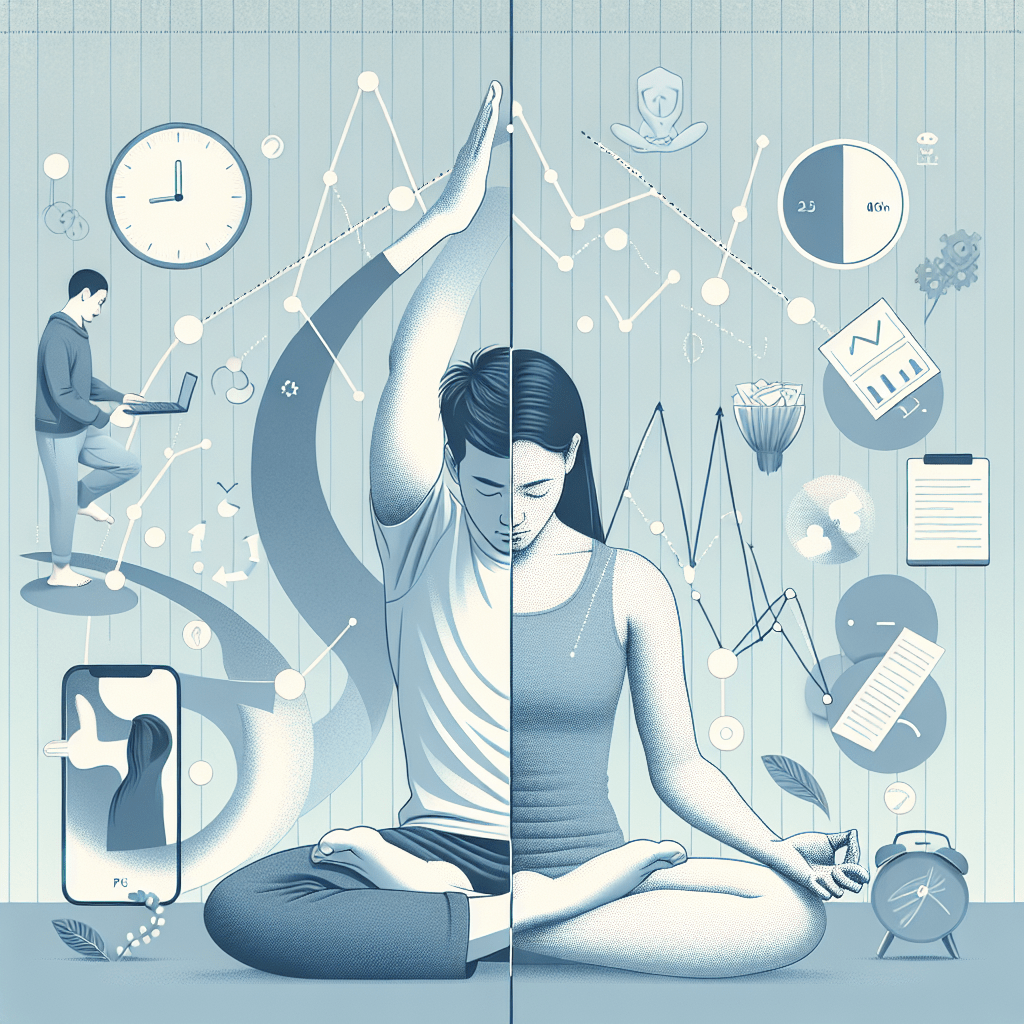
Biological age pertains to how old your body is from a physiological point of view, which could be different from your chronological age – the number of candles on your birthday cake. According to Harvard Medical School, your lifestyle and habits can affect your biological age. This means, if you’re thirty but party like you’re in college—your biological age may be closer to forty. Sounds scary, doesn’t it? But the good news is, it works the other way around too!
Now, let’s talk about our favorite gadget for the day—SimpleFitness.ai. It’s not just a robotic personal trainer, it’s more like your health’s best buddy. It’s a companion that cares about your sleep, nutrition, workouts, and habits. Think of it as a lovable yet nerdy friend who always reminds you to stay on top of your health game. It’s like Hermione Granger but for fitness!
But how does it estimate your biological age, you ask? SimpleFitness.ai uses your health and fitness data like sleep patterns, activity levels, heart rate variability, and even stress levels to give you an estimated biological age. And let’s face it, in a world where we rely on apps to tell us the weather, why not have one that helps us live healthier lives?
The beauty of SimpleFitness.ai is that it doesn’t just give you a number. It gives you the tools and advice to lower that number. How effective is it, you ask? According to a Stanford Medicine study, consistent exercise can reduce your biological age by up to nine years. Yes, you read that right—nine years! That’s almost a decade of additional vitality and health.
Whether you want to shed a few pounds, sleep like a baby, reduce stress, or just want to feel healthier, SimpleFitness.ai has got your back. It’s not about overnight changes or unrealistic diets. It’s about sustainable, long-term changes that make you feel better, day after day.
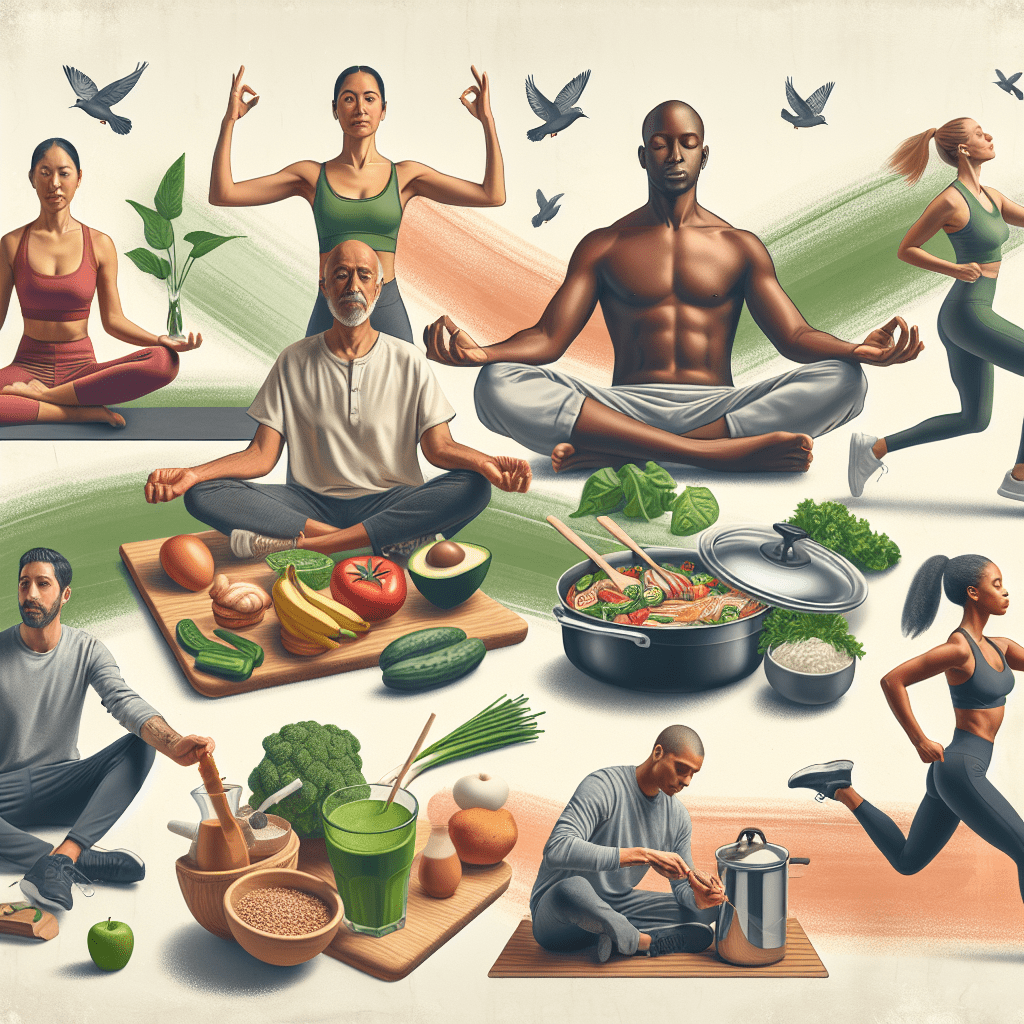
And, before you ask, no, it doesn’t involve drinking green smoothies that taste like grass or running marathons. It involves understanding your body, making small adjustments, and embracing healthier habits.
So why not give it a shot? After all, who doesn’t want to turn back the clock and feel younger, healthier, and happier?
Now, the next time someone asks your age, wouldn’t it be fun to tell them, “Chronologically or biologically?” Your biological age could be your new secret weapon; it might even become your favorite party trick!
Remember, your health is a journey, not a destination. It’s never too late or too early to start taking better care of yourself. So, why not start today? Head over to SimpleFitness.ai, and let’s get this health party started.
After all, as the saying goes, age is just a number. And with SimpleFitness.ai, you have the power to change that number, month after month. Now, isn’t that a thought to grow young on?


 My Easy to Follow Longevity Lifehacks
Leave a comment