

Decode Your Dreams: Unzipping the Files of Your Sleep Data
Hello health enthusiasts, sleepyheads, insomniacs, siesta-lovers, and everyone else in-between! If you’re one of those who hit the snooze button more…
Hello health enthusiasts, sleepyheads, insomniacs, siesta-lovers, and everyone else in-between! If you’re one of those who hit the snooze button more often than the gym, or if you’re someone who plays hide and seek with the Sandman every night, then this cozy corner of the world wide web is just for you. Prepare for some pillow talk as we delve into the science of shuteye and how better rest can turbo-boost your health before you can say “counting sheep.”
First things first, let’s debunk the myth that sleep is a luxury. In reality, it’s more like a mandatory life charge that powers our bodies and minds. You see, when you’re off in dreamland, your body is busy restoring and repairing different functions. It’s like your body’s pit stop that ensures you’re ready to race through another day.
Thanks to recent advancements, we can break down sleep data like never before. It’s like a health detective story where the clues are hidden in our sleep patterns. Sleep efficiency, duration, latency, and disturbances are the usual suspects that can reveal crucial health insights. For instance, a study in “Sleep Medicine Reviews” stated that people who sleep less than six hours a night have a higher risk of heart disease. Now, that’s enough to make you respect the Sandman a bit more, isn’t it?
And guess what? Better sleep can even aid in weight loss. In one study, participants deprived of sleep craved high-calorie junk food, while their well-rested counterparts reached for healthier options. It’s not rocket science, folks; it’s pillow science!
But fear not my fellow night owls, because getting better sleep isn’t as tricky as solving a Rubik’s cube blindfolded. It’s about consistency and developing good sleep habits, like having a stable sleep schedule, creating a sleep-friendly environment, and ditching electronics before bedtime. In other words, say “night night” to Netflix binges and “hello” to sweet dreams.
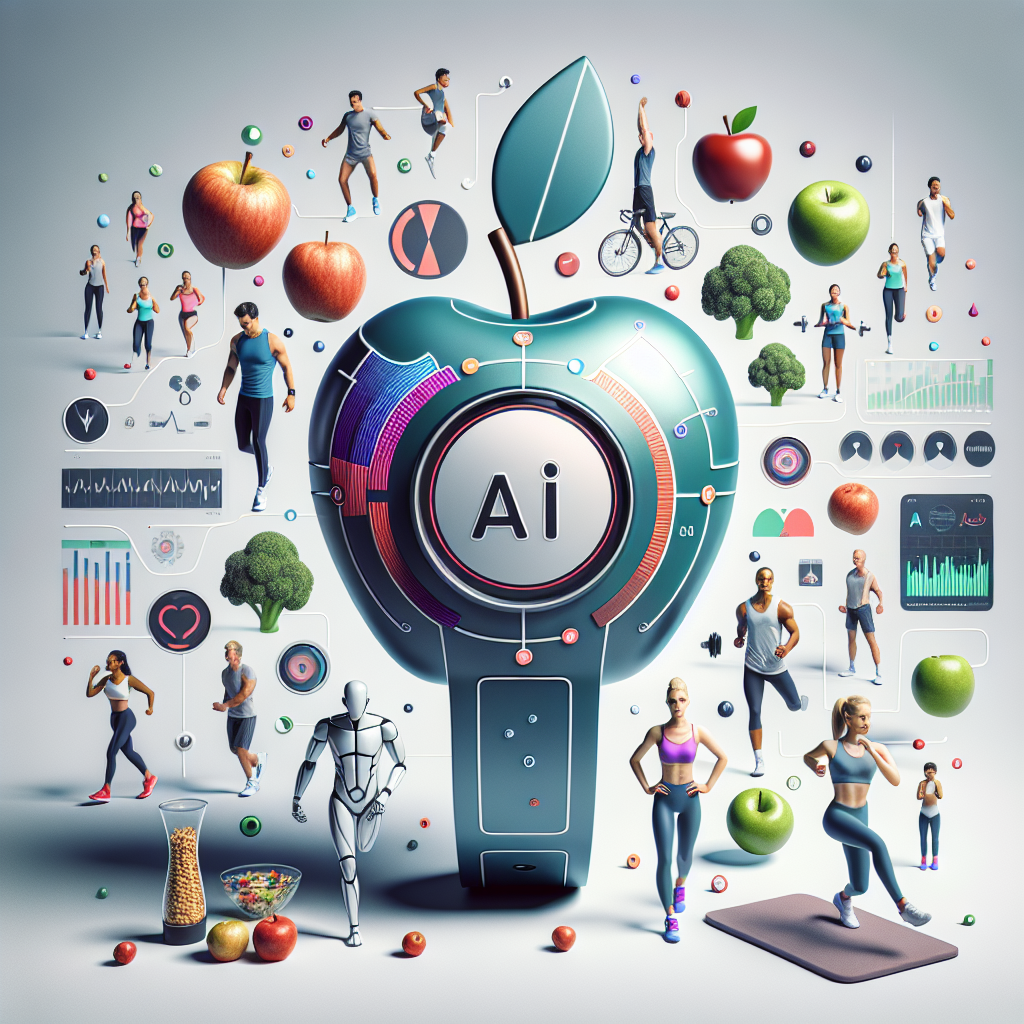
Now, I hear you asking, “how on earth do I track all of this sleep jazz?” Well, that’s where SimpleFitness.ai comes in, your friendly health sidekick that’s as reliable as your favorite pajamas. It’s a platform that helps you track your sleep (among other things) and analyze your patterns. It provides you with insightful feedback and guides you on your journey to better health. Think of it as your personal health assistant, minus the bossy attitude!
Imagine this: SimpleFitness as the dedicated coach, you as the determined player, and health as the championship trophy. With SimpleFitness, you can track your nutrition, sleep patterns, workouts, and help you set and achieve realistic goals. It’s like having a personal trainer, nutritionist, and sleep therapist all in one handy place.
And remember, it’s not about drastic changes that last as long as a snowflake on your tongue. Tiny, consistent steps can lead you to better health faster than you think. So, as they say, start small and dream big.
So, how about we all make a pact? Let’s give sleep the importance it deserves, and let’s start taking our health into our own hands. SimpleFitness and I are here to help you along the way, providing the tools and encouragement you need to live a healthier, happier life.
So, what are you waiting for? Hop onto the sleep express and let SimpleFitness be your health compass. It’s time to stop counting sheep and start counting the benefits of good sleep.
Check out SimpleFitness.ai today, and let’s start this journey of health and happiness together, one dreamy night at a time.
Sleep well, dream big, and stay healthy, my friends!



 My Easy to Follow Longevity Lifehacks
Leave a comment