

“Bend With The Wind: How Tracking Your Flexibility…
Imagine this: you wake up early on a Sunday, pull out your yoga mat, and get into that favorite stretches of yours. You’re trying to get that toe-touch…
Hey there, fellow health enthusiasts!
Imagine this: you wake up early on a Sunday, pull out your yoga mat, and get into that favorite stretches of yours. You’re trying to get that toe-touch to a perfect 180, but you stop short. “My flexibility is just not the same these days!” you think. Did you ever stop to wonder, why?
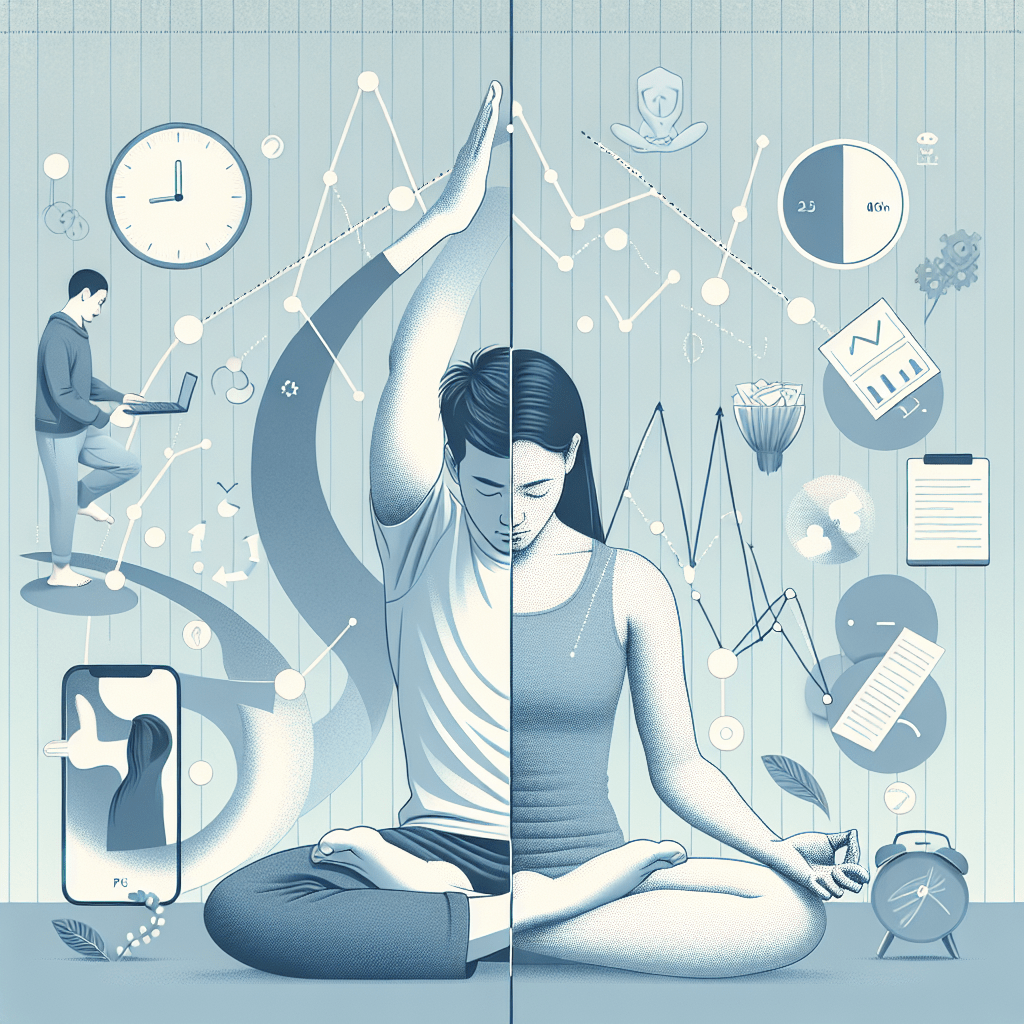
Well, friends, it turns out the universe of our bodies is much more interconnected than we often realize. Your range of motion is not just about the number of yoga classes per week. It’s also a potential thermometer of your stress levels and mobility, or as I like to call it – the flexibility-stress mobility triad.
Inspired by the 150th IPU Assembly with the World Health Organization (WHO), today, we delve into this fascinating correlation.
According to WHO, chronic stress affects our overall health, including our flexibility and mobility. That’s right! Your tight hamstrings could be screaming, “I need a vacation!” rather than “I need a stretch”.
When you’re stressed, your body gears up for battle, a.k.a the flight or fight response. This adrenaline rush isn’t picky; it tenses up everything – from your neck muscles to your little toe, hence reducing your flexibility.
Remember, stress can be as sneaky as that last cookie that mysteriously disappeared from your cookie jar. It can creep up without you noticing, especially in today’s fast-paced world. And we all know we’d rather be sneakily eating cookies than unknowingly harboring stress!
Moreover, research has shown a clear link between reduced mobility and stress. Chronic stress can lead to inflammation, one of the main culprits behind decreased mobility. So, folks, it’s not just years on the calendar that can make things creak a bit more when you climb stairs!
Understanding this correlation creates a fantastic opportunity to take control of our health. By observing and tracking our flexibility, we can get a glimpse into our stress levels and overall mobility.
That’s where SimpleFitness.ai comes in (don’t worry, I’m not trying to sell you a yoga mat). It’s an excellent health companion for tracking sleep, nutrition, workouts, and building habits. With nifty features and easy navigation, it’s like having a personal health assistant in your pocket, minus the judgment for that occasional ice cream sundae.
SimpleFitness.ai makes tracking everything a breeze, including your flexibility. Through consistent tracking, you can notice patterns; like how that extra hour of work is affecting your forward bend or how a peaceful weekend getaway suddenly made you more bendy than a rubber band.
The beauty of this knowledge is that it gives you the power to make healthier choices. Perhaps it’s time to say no to overtime and yes to relaxation. A simple change like this can enhance your flexibility, reduce stress, and improve mobility. Remember, Rome wasn’t built in a day, neither is the healthiest version of you.
Our bodies are amazing, and they are whispering (sometimes screaming) to us all the time. It’s up to us to listen and understand them. The correlation between flexibility, stress, and mobility is just one piece of the puzzle. The more in tune you are with your body, the more you are likely to enjoy this remarkable journey of life.
So, why not give it a go? Check out SimpleFitness.ai and start paying tad more attention to your body’s unique symphony. Remember, every once in a while, it’s okay to bend…it’s how the light gets in.
Stay flexible, folks! Your health journey awaits.


 My Easy to Follow Longevity Lifehacks
Leave a comment